

Permanent Makeup Healing Stages: What to Expect Week by Week

Updated: Aug 1

Quick Answer: Most permanent makeup typically goes through several predictable healing stages, including initial darkness, flaking, lightening, and color resurfacing. While most visible healing occurs within 7–14 days, the full healing process can take 4–8 weeks depending on the procedure, skin type, and individual healing response.
Permanent makeup healing typically follows a series of predictable stages, including darkening, flaking, fading, and color resurfacing before the final healed result appears. While the most noticeable healing usually occurs during the first two weeks, complete healing can take up to 4–8 weeks depending on the procedure, your skin type, and how closely you follow aftercare instructions.
Many clients become concerned when their brows, lips, or eyeliner appear too dark, begin flaking, or seem to disappear during healing. In most cases, these changes are completely normal and are simply part of the body's natural healing process.
In this guide, we'll walk through each stage of permanent makeup healing, explain what to expect during every phase, and help you understand when your final results will begin to appear.
Healing Stage | What to Expect |
Days 1–3 | Color appears darker and more intense |
Days 4–10 | Flaking, dryness, and peeling begin |
Days 10–21 | Color may appear lighter or patchy |
Weeks 3–6 | Pigment gradually resurfaces |
Weeks 6–8 | Final healed results become visible |
At Body and Brows by Ana, we guide every client through the healing process so they understand what to expect before, during, and after their procedure.
Most permanent makeup procedures—including nano brows, powder brows, combo brows, lip blush, and lash enhancement—follow a similar healing pattern, although healing times can vary slightly based on the procedure performed and individual skin characteristics.
Understanding the normal healing stages helps prevent unnecessary concern and allows clients to heal with confidence while their final results develop.
The Permanent Makeup Healing Timeline

Days 1–3: Initial Healing
Immediately after the procedure, the pigment may appear darker than expected. This is normal and occurs due to pigment oxidation.
During this stage clients may experience:
Mild soreness
Slight redness
Minor inflammation
These symptoms typically resolve within the first few days as the skin begins healing.
Days 3–12: Scabbing and Peeling Stage
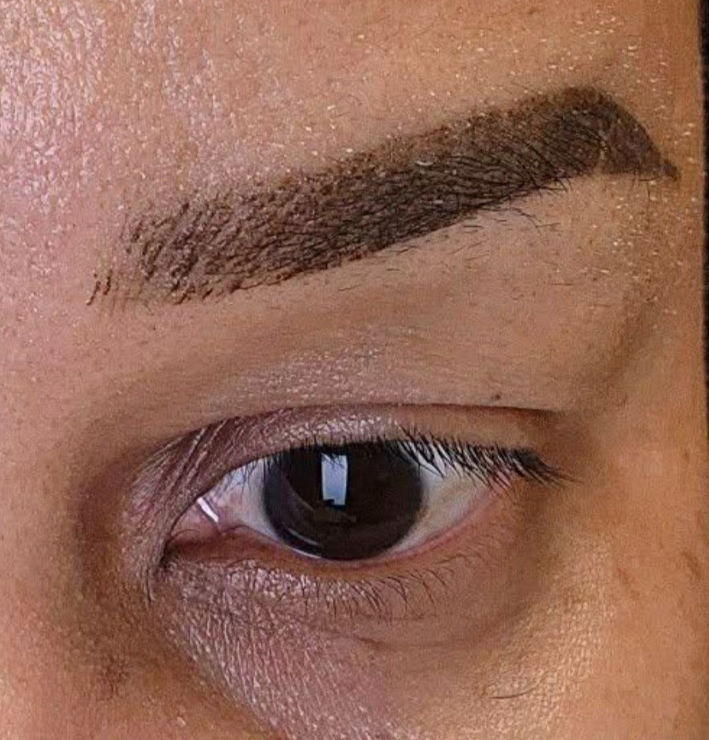
During this stage the skin regenerates and begins shedding the outer layer.
Clients often notice:
Light scabbing
Flaking
Patchy pigment
This occurs because the skin is naturally renewing itself.
During the first 12 days, clients should avoid:
Sweating
Water exposure
Sun exposure
Steam
Skincare products and chemicals
These precautions help ensure the pigment heals properly and prevents pigment loss.
Weeks 3–4: The Light Phase
Many clients become concerned during this stage because their permanent makeup may appear lighter or faded.
This happens because the pigment sits under the newly regenerated layer of skin.
The color has not disappeared — it is temporarily hidden during healing.
Weeks 4–5: Color Returns
Around weeks four or five the pigment gradually reappears as the skin finishes regenerating.
This is when clients begin to see the true healed color of their permanent makeup.
Up to 8–10 Weeks: Full Skin Healing

Although the skin may appear healed after two weeks, deeper layers of skin require additional time.
Complete healing can take up to 8–10 weeks, which is why touch-up appointments are typically scheduled after this period.
Healing looks slightly different depending on whether you have Nano Brows or Powder Brows.
The Four Stages of Permanent Makeup Healing
Permanent makeup healing generally occurs in four phases.
Phase 1: Dark Phase
Immediately after treatment the pigment appears darker due to oxidation.
Phase 2: Scabbing Phase
The outer layer of skin begins to shed as new skin forms underneath.
Phase 3: Light Phase
The pigment appears lighter because it sits beneath the new skin layer.
Phase 4: Color Returning
The pigment gradually resurfaces as the healing process finishes.
How Skin Type Affects Permanent Makeup Healing
Healing speed and pigment retention can vary depending on skin type.
Oily Skin
Oily skin tends to:
Scab more
Experience slightly higher pigment loss
Mature Skin
Mature skin often:
Heals more slowly
Holds pigment well
However, pigment selection is adjusted to avoid overly cool tones.
Sensitive Skin
Sensitive skin may:
Bleed slightly during treatment
Heal with temporary patchiness
An experienced artist adjusts technique and pigment selection accordingly.
Common Healing Concerns Clients Have
During healing, clients may become concerned when they notice changes in their brows.
Common concerns include:
Scabbing
Patchiness
Uneven pigment
Brows appearing to disappear
These changes are normal parts of the healing process.
Many clients contact the studio around the two-week mark because the brows appear lighter, but the color usually returns within the following weeks.
Signs of Normal Healing vs. Problems
Normal Healing
Common symptoms include:
Mild soreness for the first two days
Redness or inflammation for about three days
Scabbing
Mild itching
When to Contact Your Artist
Clients should contact their artist if they notice:
Pain lasting longer than seven days
Pus or discharge after five days
Continued redness or inflammation
These symptoms may indicate infection and should be evaluated.
The Most Important Tip for Proper Healing
The most important factor in achieving beautiful, healed results is following aftercare instructions carefully.
Clients should:
Avoid creams not approved by their artist
Keep hands clean when touching the treated area
Protect the skin from sun exposure
Avoid picking or peeling scabs
Proper aftercare helps ensure the pigment heals evenly and produces natural-looking results.
People Also Ask
Why do permanent makeup brows look darker at first?
Brows appear darker immediately after treatment because of pigment oxidation and the natural healing process.
Why do brows fade during healing?
Brows may appear lighter because the pigment temporarily sits under a new layer of skin during healing.
When should a permanent makeup touch-up be scheduled?
Touch-ups are typically scheduled 8–10 weeks after the initial procedure, once the skin has fully healed. At that point, clients can schedule their permanent makeup touch-up appointment.
How long does eyebrow tattoo healing take?
Eyebrow permanent makeup usually heals visibly within two weeks, while full healing takes 4–8 weeks.
Ana's Take
One of the biggest mistakes clients make is judging their permanent makeup too early.
It's completely normal for brows, lips, or eyeliner to look darker, lighter, patchy, or uneven at different points during healing. In most cases, these changes are part of the normal healing process.
The best thing you can do is follow your aftercare instructions, be patient, and allow your skin the time it needs to heal properly before evaluating the final result.
Over the years, I've found that the clients who are happiest with their results are the ones who trust the process, follow their aftercare carefully, and understand that permanent makeup healing is a journey—not a single day or moment.
Related Reading
Still researching permanent makeup? These guides can help:
Learn how long brows, lip blush, and lash enhancement typically last and what factors affect fading over time.
Discover the benefits, drawbacks, costs, and ideal candidates for nano brows.
Compare nano brows, powder brows, combo brows, and microblading to determine which technique best matches your goals.
Learn which permanent makeup techniques tend to produce the most flattering and long-lasting results for aging skin.
Final Thoughts
Permanent makeup healing requires patience, but understanding the process makes the experience much easier.
Most clients experience visible healing within two weeks, while the full healing process takes four to eight weeks.
Following proper aftercare and trusting the healing stages allows the pigment to settle naturally and produce the best possible results.
If you’re considering permanent makeup and want to understand the healing process before your appointment, you can schedule a permanent makeup consultation with our studio. We’ll walk you through the procedure, aftercare, and what to expect during healing so you feel confident moving forward.


Comments